


 |
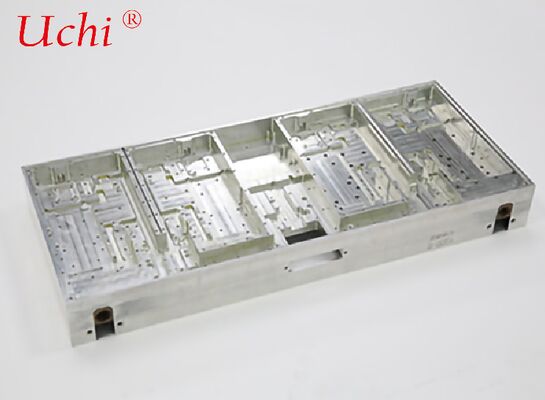
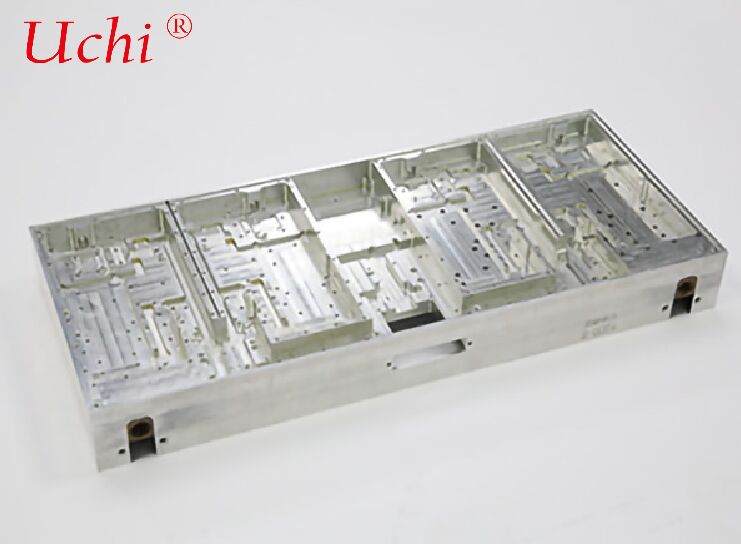
Plate pendingin cairan dengan impingement jet frekuensi tinggi juga biasa disebut
Detail produk:
| Tempat asal: | Dongguan, Guangdong, Tiongkok |
| Nama merek: | Uchi |
| Sertifikasi: | SMC |
| Nomor model: | Penyerap panas |
Syarat-syarat pembayaran & pengiriman:
| Kuantitas min Order: | 100 buah |
|---|---|
| Harga: | 1300-1500 dollars |
| Waktu pengiriman: | Tidak terbatas |
| Syarat-syarat pembayaran: | T/T,paypal,Western Union, |
| Menyediakan kemampuan: | 50000000pcs per Bulan |
|
Informasi Detail |
|||
| Aplikasi: | Pendinginan elektronik, mesin industri, otomotif | Ukuran: | 280x220x20mm |
|---|---|---|---|
| Kelas Perlindungan: | IP54 | Proses ekstra: | pemesinan cnc |
| Tenaga Sumber Panas: | 30KW | Kekuatan: | 400W |
| Dimensi Produk: | dapat disesuaikan | Paduan Atau Tidak: | Adalah Paduan |
| Kekasaran permukaan: | 1,2 mm | sedang mengemas: | Karton TAS PE |
| Bahan: | Tembaga / Aluminium | ||
| Menyoroti: | plat pendingin cairan jet frekuensi tinggi,plat pendingin cair dengan impingement jet,plat pendingin cair berkinerja tinggi |
||
Deskripsi Produk
Plat pendingin cairan dengan impingement jet frekuensi tinggi
High-Frequency Jet Impingement Liquid Cooling Plate (also commonly referred to as Jet Impingement Cold Plate) is a special liquid cooling solution for ultra-high heat flux and ultra-fast temperature uniformityMekanisme utamanya adalah untuk mencapai disipasi panas yang ekstrim dengan langsung menabrak dinding dalam permukaan pemanas dengan frekuensi tinggi, kecepatan tinggi, dan tekanan tinggi mikro-jet.
I. Prinsip Inti (Perbedaan Esensial dari Saluran Aliran Tradisional)
Plat pendingin cair tradisional: Cairan pendingin mengalir secara paralel dalam saluran tertutup untuk pertukaran panas, menampilkan lapisan batas termal yang tebal, ketahanan termal yang tinggi, dan rentan terhadap titik panas di posisi yang jauh.
Tipe Impingement Jet Frekuensi Tinggi:
- Cairan pendingin melewati rangkaian micro-nozzle yang padat (diameter 0,1 mm)
- Mengimplementasikan vertikal pada kecepatan tinggi pada dinding dalam lempeng dingin (permukaan pemanasan)
- Segera mematahkan lapisan batas termal, meningkatkan koefisien transfer panas lokal sebesar 5×10 kali
- Cairan menyebar dengan cepat dan mengalir secara lateral, mencapai suhu yang sangat seragam di seluruh area (perbedaan suhu < ± 1 ° C)
II. Struktur khas
- Ruang atas (ruang distribusi): menstabilkan tekanan dan mendistribusikan pendingin secara merata ke nozzles
- Nozzle Plate: komponen inti dengan ratusan hingga ribuan micro-hole presisi (high-frequency jet array)
- Ruang Impingement (Zone Pertukaran Panas): Impingement jet dan transfer panas konvektif intensif
- Kamar Pengumpulan Cairan / Saluran Drainase: cepat mengeluarkan cairan pendingin yang diserap panas
III. Fitur Teknis Utama
-
Kapasitas disipasi panas yang sangat tinggiKapadatan fluks panas: 200-1000 W/cm2 (plak las biasa sekitar 50 W/cm2)Resistensi termal setinggi 0,01 ∼0,03 °C/W
-
Persamaan Suhu yang Luar BiasaPerbedaan suhu permukaan penuh: ± 0,5 ± 1 °CMenghilangkan titik panas lokal
-
Kecepatan Tanggapan CepatInersia termal rendah, kontrol suhu yang tepat, cocok untuk skenario pemanasan daya tinggi dan pulsa sementara
-
Penurunan Tekanan yang Relatif TinggiMembutuhkan pompa tekanan tinggi yang cocok / sistem pendinginan aliran tinggi
-
Persyaratan Keakuratan Manufaktur yang TinggiDiameter lubang nozel, kedalaman, dan toleransi posisi: ±0,02±0,05 mm
IV. Proses Manufaktur Utama
-
Pengeboran presisi + Pengeboran vakumCocok untuk array lubang melingkar dengan produksi massal yang stabilBahan umum: paduan aluminium / paduan tembaga, segel las
-
Photolithography / Etching + Diffusion BondingCocok untuk nozzle berbentuk khusus dan jet slot skala mikroSaluran aliran yang lebih halus dan resistensi termal yang lebih rendah (untuk aplikasi AI/GPU/laser)
-
Pencetakan 3D (SLM)Membentuk terintegrasi dengan saluran topologi yang kompleks + nozelDesain ringan, cocok untuk komponen aerospace yang disesuaikan
V. Skenario Aplikasi (Pengelolaan Termal Ekstrim)
- AI / Supercomputing Chips: H100/H200, GPU cluster, TPU (> 500W chip)
- SiC / GaN Power Modules: 800V drive listrik, stasiun pengisian cepat
- Laser bertenaga tinggi: serat / semikonduktor / laser UV (aliran panas > 300W/cm2)
- Radar / Phased Array: komponen T/R militer, stasiun pangkalan 5G/6G
- Pencitraan Medis: penguat gradien MRI, detektor CT (keakuratan kontrol suhu ± 0,5°C)
- Aerospace: muatan satelit, panduan rudal (tahan getaran, ringan, aliran panas tinggi)
VI. Perbandingan dengan piring pendingin cair konvensional
| Kinerja | Plat pendingin cairan saluran aliran konvensional | Plat pendingin cairan dengan impingement jet frekuensi tinggi |
|---|---|---|
| Densitas Aliran Panas | < 50 W/cm2 | 200 ‰ 1000 W/cm2 |
| Ketahanan termal | 00,05 °C/W | 0.01 ∙ 0,03 °C/W |
| Persamaan Suhu | Perbedaan suhu 3°10°C | Perbedaan suhu < ± 1°C |
| Penurunan Tekanan | Rendah (0,5 ∼2 bar) | Tinggi (28 bar) |
| Skenario Aplikasi | Perangkat daya konvensional | Aliran panas yang sangat tinggi, sensitif hotspot, kontrol suhu presisi tinggi |
VII. Ringkasan
High-Frequency Jet Impingement Liquid Cooling Plate merupakan teknologi pendinginan cair mutakhir di industri modern, dirancang khusus untuk aliran panas yang ekstrim,keseragaman suhu akhir, dan kontrol suhu presisi tinggi.
Ingin Tahu lebih detail tentang produk ini
